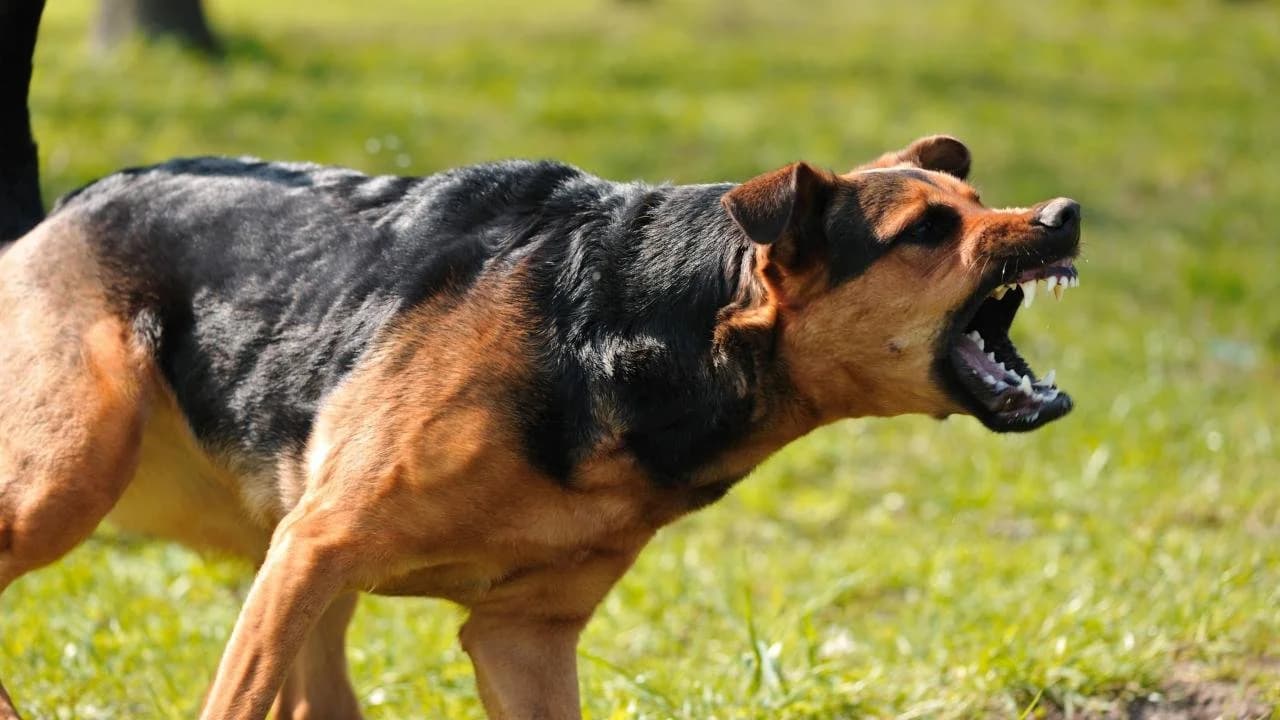
Aggressive Dog Training in Sacramento – Professional Help for Serious Behavior
Aggression is the most serious behavioral issue a dog can have, and it is the one most owners feel helpless about. If your dog is showing aggression toward people, other dogs, or in specific situations, you need professional help from a trainer who has the experience and the willingness to take on difficult cases. Value Dog Training works with aggressive dogs that many other trainers refuse.
Why Does Aggression Need Addressing Early?
Because aggression is the behaviour most likely to end a young dog’s life. Owners are often told to wait and see whether a dog grows out of growling, lunging, or resource guarding. The published data points the other way: behaviour, not illness or injury, accounts for a large share of deaths in dogs that never reach four years old, and aggression is the single biggest contributor within that group.
Across primary-care veterinary practices in Australia:
of dogs that died at three years of age or younger had their deaths attributed to undesirable behaviour
of those behaviour-related deaths involved aggression, making it the single most commonly reported behaviour
The same study found a comparable figure in the United Kingdom, where 33.7% of deaths in dogs aged three and under were attributed to undesirable behaviour. These are not dogs that were beyond help — they are dogs whose behaviour was allowed to escalate until rehoming or euthanasia became the only options an owner could see. Addressing aggression early is the difference.
Types of Aggression I Work With
Leash Reactivity
Your dog lunges, barks, and pulls toward other dogs or people while on leash. Leash reactivity is one of the most common forms of aggression and is often driven by frustration, fear, or over-arousal. It makes walks stressful and can escalate if not addressed.
Dog-on-Dog Aggression
Your dog is aggressive toward other dogs, whether at the dog park, on walks, or in your home with other pets. Dog-on-dog aggression can range from posturing and growling to full-blown fights. I assess the triggers and develop a structured plan to reduce the reactivity.
Aggression Toward People
Growling at guests, snapping at family members, or biting strangers. Aggression toward people is the most serious behavioral issue a dog can have. I take these cases with the gravity they deserve and work to identify the underlying cause, whether it is fear, territorial behavior, resource guarding, or something else.
Resource Guarding
Your dog growls, snaps, or bites when you approach their food, toys, bed, or other valued items. Resource guarding is a natural instinct that becomes dangerous when it escalates. I teach management strategies and behavior modification techniques that reduce the guarding behavior.
Territorial Aggression
Your dog goes berserk when someone approaches your home, yard, or car. Territorial aggression can include barking, lunging, and biting at doors, windows, fences, and gates. I address the root cause and teach your dog appropriate responses to visitors and passersby.
Fear-Based Aggression
Your dog bites or snaps because they are scared, not because they are dominant. Fear-based aggression is often the result of under-socialization, past trauma, or negative experiences. These dogs need patience, structure, and gradual confidence-building to overcome their fear.
Why In-Home Training Is Critical for Aggression
Aggression cannot be fixed in a training facility. The aggressive behavior happens in your home, on your walks, at your front door, and around your family. That is where the training needs to happen.
When I come to your home, I see exactly what triggers your dog. I observe their body language in their natural environment. I watch how they interact with family members, react to sounds at the door, and respond to stimuli outside the window. This information is essential for creating a behavior modification plan that actually works.
In-home training also eliminates the stress and unpredictability of taking an aggressive dog to a training facility. Your dog does not have to be around unfamiliar dogs and people in an uncontrolled environment. We work in a setting where we can control the variables and set your dog up for success.
Additionally, aggression training requires training the owner as much as the dog. You need to understand your dog's body language, recognize the warning signs before a reaction, and know exactly how to respond. In-home training gives me the opportunity to coach you in real time, in the exact situations where the aggression occurs.
What to Expect
Honest Assessment
I will give you an honest, straightforward assessment of your dog's behavior. I will not sugarcoat the situation, and I will not make promises I cannot keep. You will know exactly what we are dealing with, what is realistic, and what the training plan looks like.
Safety First
Safety is the top priority in every aggression case. Before any training begins, I establish management protocols to prevent incidents. This may include muzzle conditioning, leash handling techniques, environmental management, and clear rules for family members and visitors.
Structured Behavior Modification
Aggression training is not about punishing your dog into submission. It is about understanding the trigger, changing the emotional response, and teaching an alternative behavior. I use a balanced approach that combines desensitization, counter-conditioning, obedience structure, and clear communication to reduce the aggressive response.
Owner Education
You will learn to read your dog's body language, identify early warning signs, manage high-risk situations, and respond effectively when your dog begins to escalate. The goal is for you to feel confident and in control, even in challenging situations.
Ongoing Support
Aggression cases require ongoing commitment. You take notes during each session so you have a reference specific to your dog and household. I remain available for questions between sessions and adjust the approach as your dog progresses. I also allow extra time in all my sessions — I do not stop the moment the hour is up. You are not in this alone.